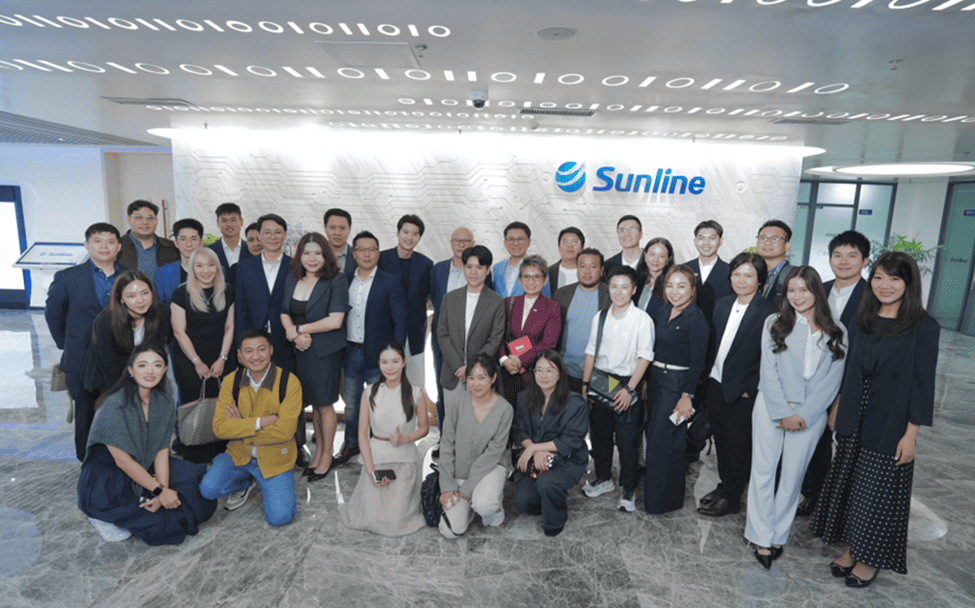

An executive visit video released on 26 December by a leading Thai business and leadership media platform - The Secret Sauce under Thai-language multimedia news agency, The Standard Co. documents a series of delegation visits to leading Chinese corporates in 2025, including Sunline, Huawei, Tencent, BYD and others. The programme was designed to provide senior business leaders from Thailand with first-hand exposure to how large-scale Chinese enterprises build technology capabilities, scale operations, and navigate rapid innovation within complex regulatory and market environments.
During the visit, participating executives engaged in discussions on fintech innovation, technology architecture, and the accelerating pace of digital transformation across Asia’s financial services sector. The exchanges reflected growing regional interest in understanding how China’s leading corporates integrate platform scale, execution discipline, and long-term strategy to support sustained growth.
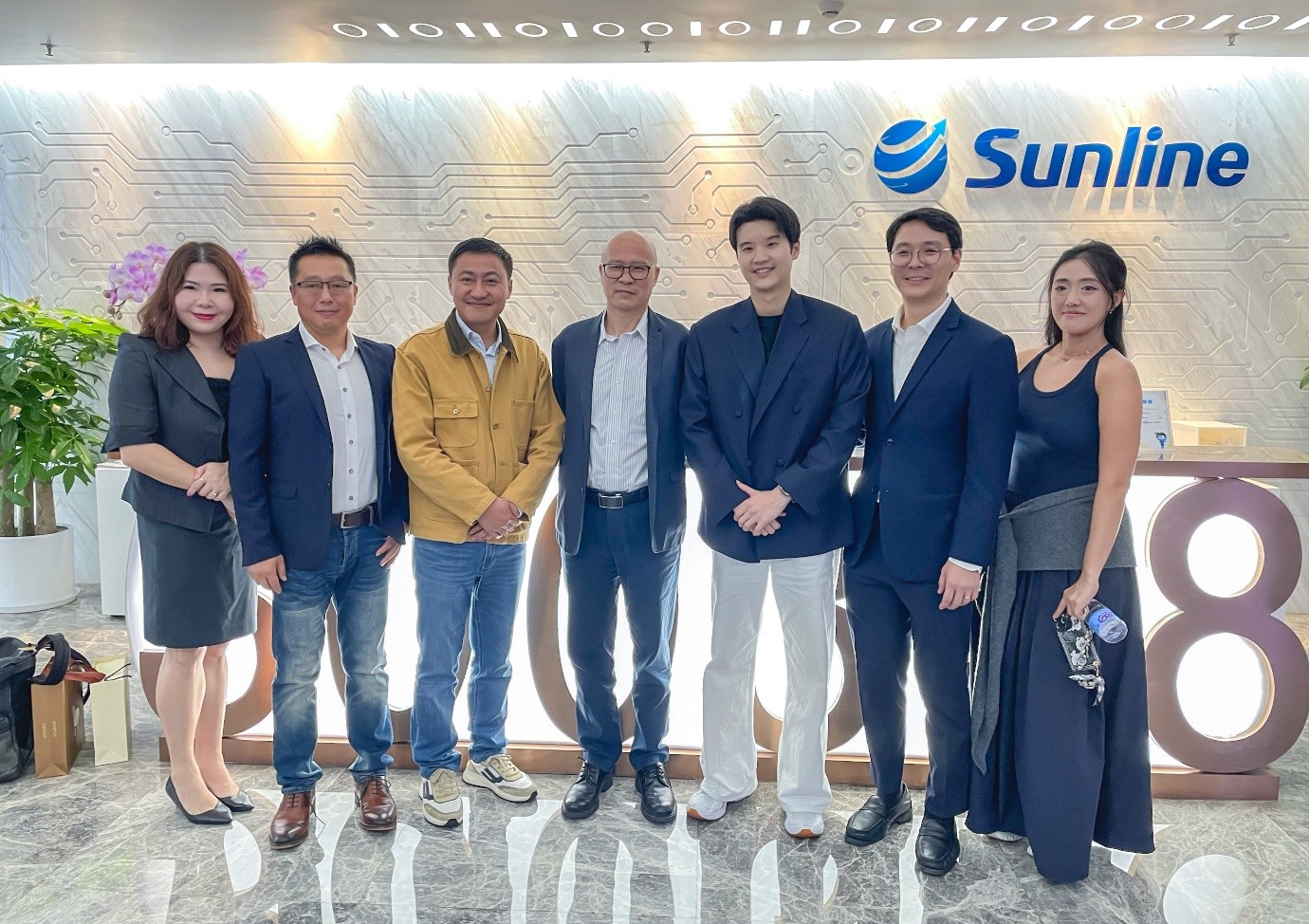
Sunline was in the programme as one of the few Chinese fintech companies with an early and sustained overseas market presence. Its participation reflected the company’s track record in supporting financial institutions globally through complex core banking modernisation and digital transformation initiatives, while offering visiting executives direct insight into Sunline’s approach to large-scale banking system modernisation and platform scalability.
Aligning Technology with Real-World Banking Needs
“What sets Sunline apart is our ability to adapt technology to the specific regulatory, operational, and market requirements of each region,” said Jameson Li, Group CEO of Sunline. “By combining deep banking domain expertise with scalable system architectures, we support financial institutions in modernising core platforms while creating long-term, sustainable value.”
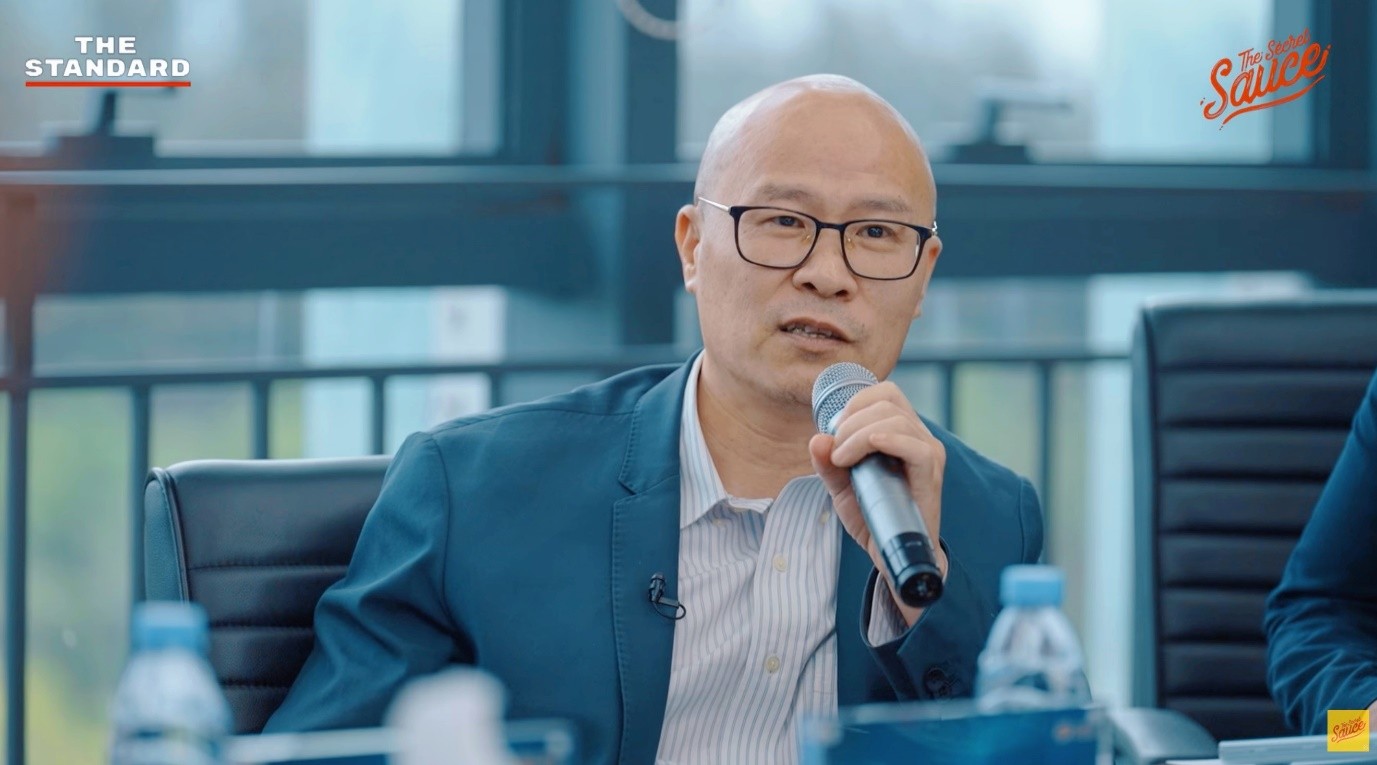
During the exchange, Li positioned Sunline’s international development within the broader evolution of the global banking industry, highlighting the growing need for core platforms that can operate consistently across jurisdictions while remaining responsive to local regulatory, operational, and market realities. He underscored that, as financial institutions expand and modernise internationally, technology must serve as a stable foundation for long-term growth rather than a constraint.
Li also reflected on the shifting role of fintech in the global financial ecosystem, describing Sunline’s approach as one centred on long-term partnership rather than short-term innovation. By bridging advanced technology with the core operational requirements of banking, he noted, Sunline supports institutions in advancing transformation at scale while preserving the resilience, continuity, and trust essential to operating across regional and international markets.
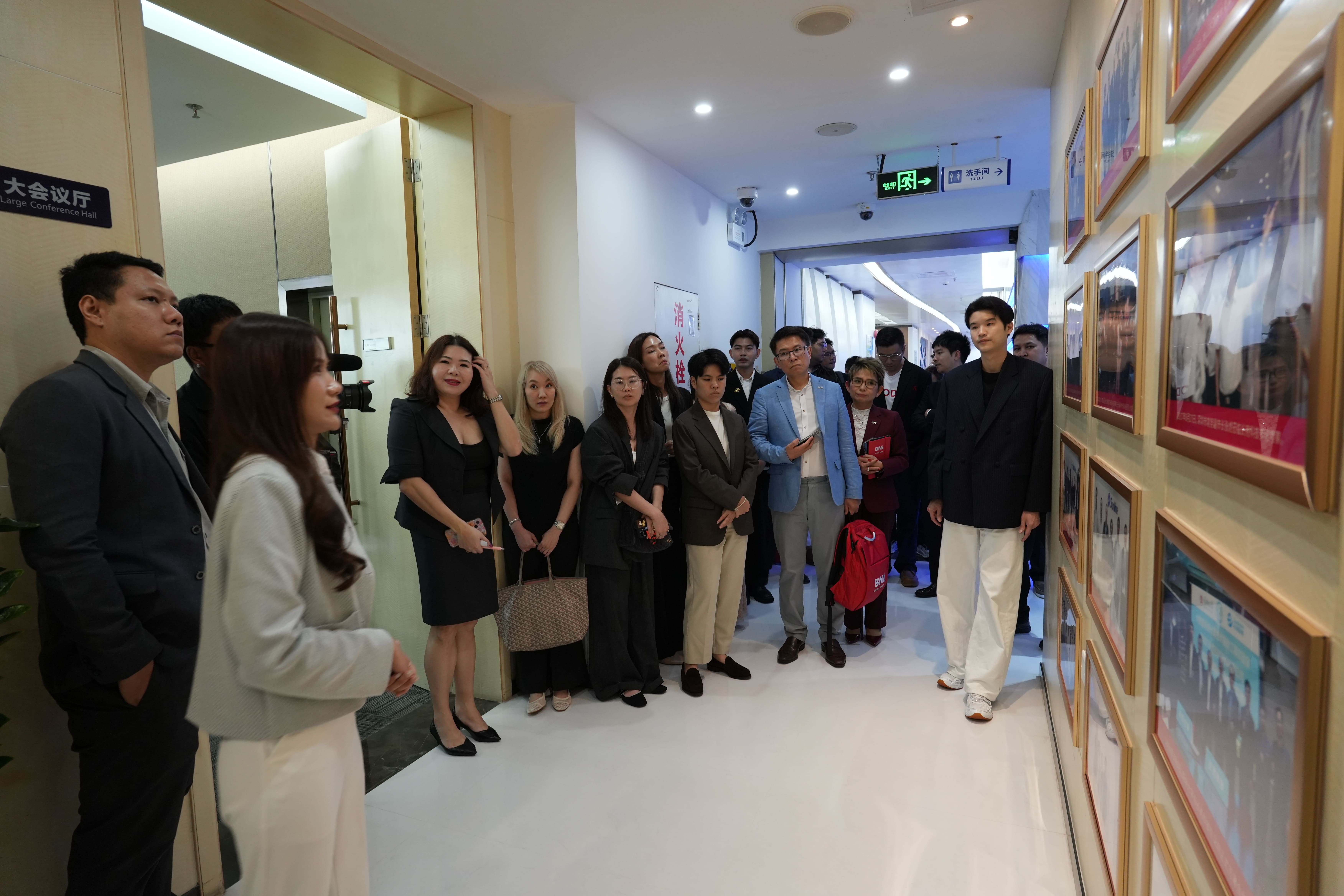
The Sunline Thailand team was guiding executives through Sunline’s milestones and corporate history since 2002
Building Scalable Banking Platforms Across Markets
Since initiating its overseas expansion strategy in 2016, Sunline has delivered large-scale banking technology projects across Singapore, Hong Kong, Thailand, Indonesia, Malaysia, the Philippines, and Vietnam. These engagements span core banking modernisation, digital banking platforms, and financial management systems, supporting both traditional banks and digital-only institutions.
Over time, Sunline has continued to evolve its banking technology platforms in response to the changing requirements of modern banking, with a focus on scalability, regulatory alignment, and long-term operational resilience. Through regional delivery capabilities and ecosystem collaboration, Sunline continues to support financial institutions as they undertake complex digital transformation initiatives, balancing the need for innovation with the stability, reliability, and continuity expected of mission-critical financial systems.